How to Choose an Electrician in Stockton — 8 Questions Before You Hire (2026) | Can Do It Electrical
Picking the right electrician matters more than picking the cheapest one. Here are the 8 questions every Stockton homeowner should ask before they hire — plus the red flags to walk away from.
3 Electrical Problems in Older Stockton Homes (1955–1982 Guide) | Can Do It Electrical
Most Stockton tract homes built between 1955 and 1982 share the same three electrical weak points. Here is what to look for and why it matters.
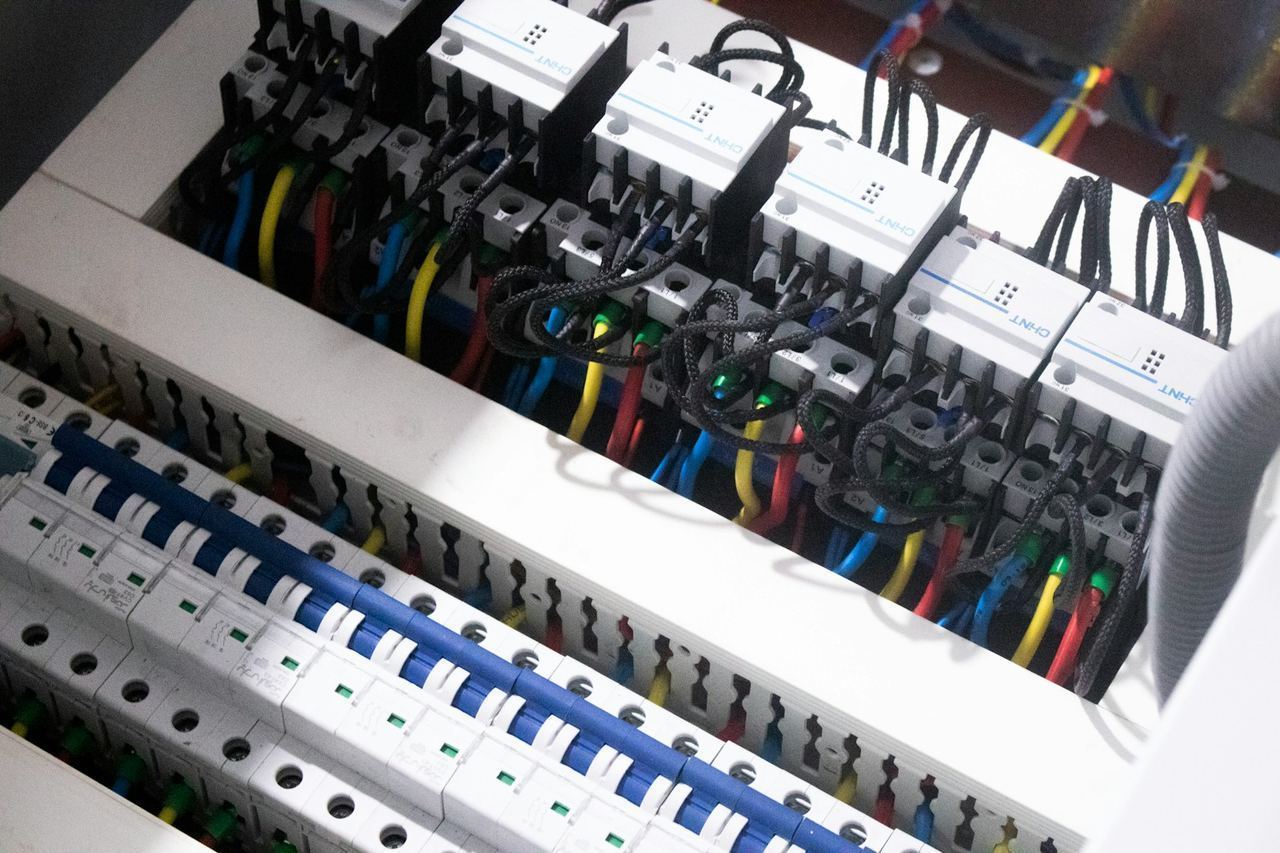
100A vs 200A — When You Actually Need to Upgrade (Stockton 2026) | Can Do It Electrical
Not every home needs 200-amp service. Here is how to tell whether your current panel can keep up with EV charging, heat pumps, and modern loads.
Why Do My Lights Flicker? 6 Causes + 5-Min Diagnostic (Stockton 2026) | Can Do It Electrical
Flickering can mean anything from a loose bulb to a serious panel issue. Here is how Stockton homeowners can tell the difference.
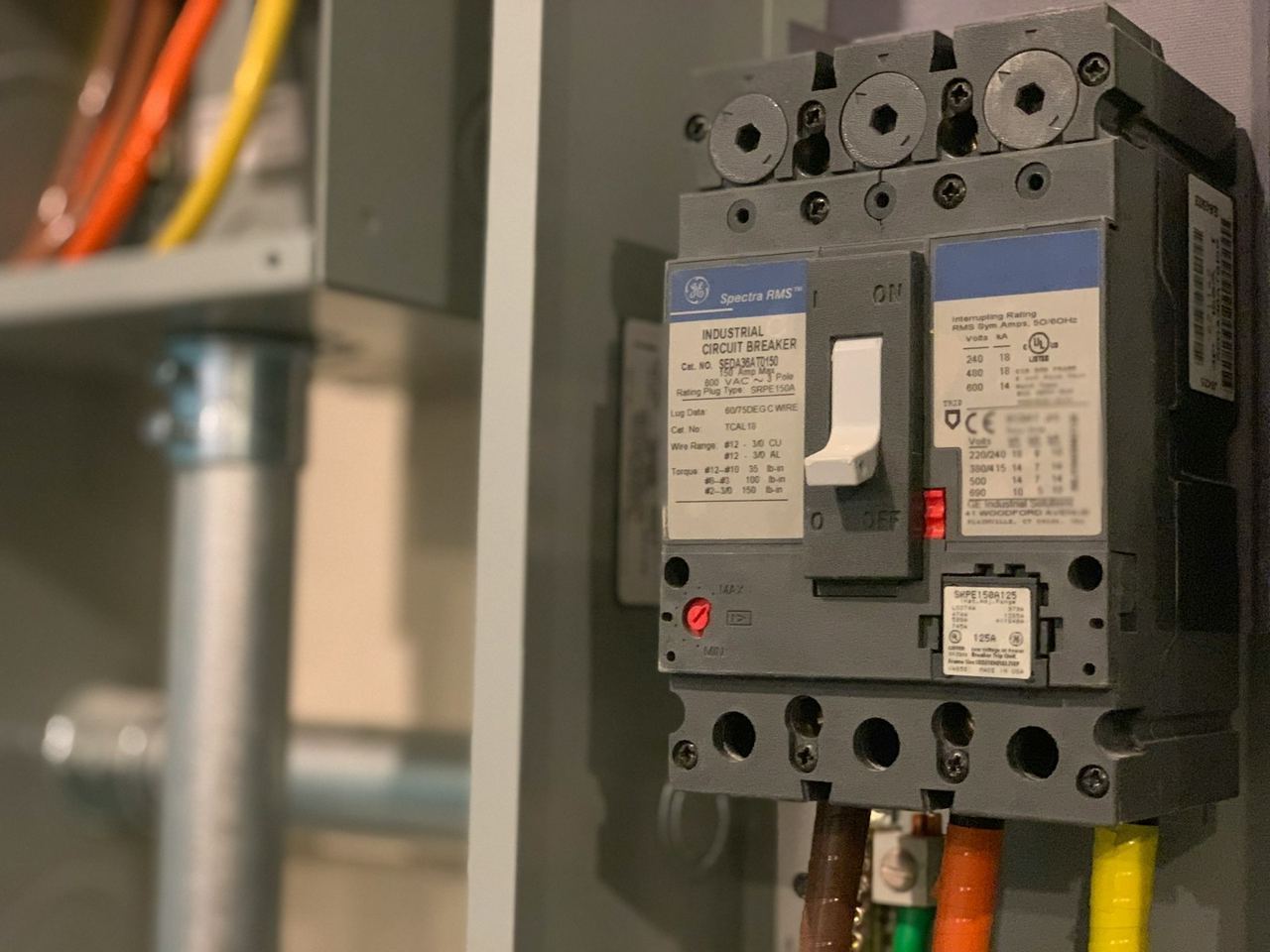
GFCI vs AFCI — Stops Shocks vs Stops Fires (CA Code 2026) | Can Do It Electrical
GFCIs stop shocks. AFCIs stop fires. Here is how each one works, where California code requires them, and why older Central Valley homes often need both retrofitted.
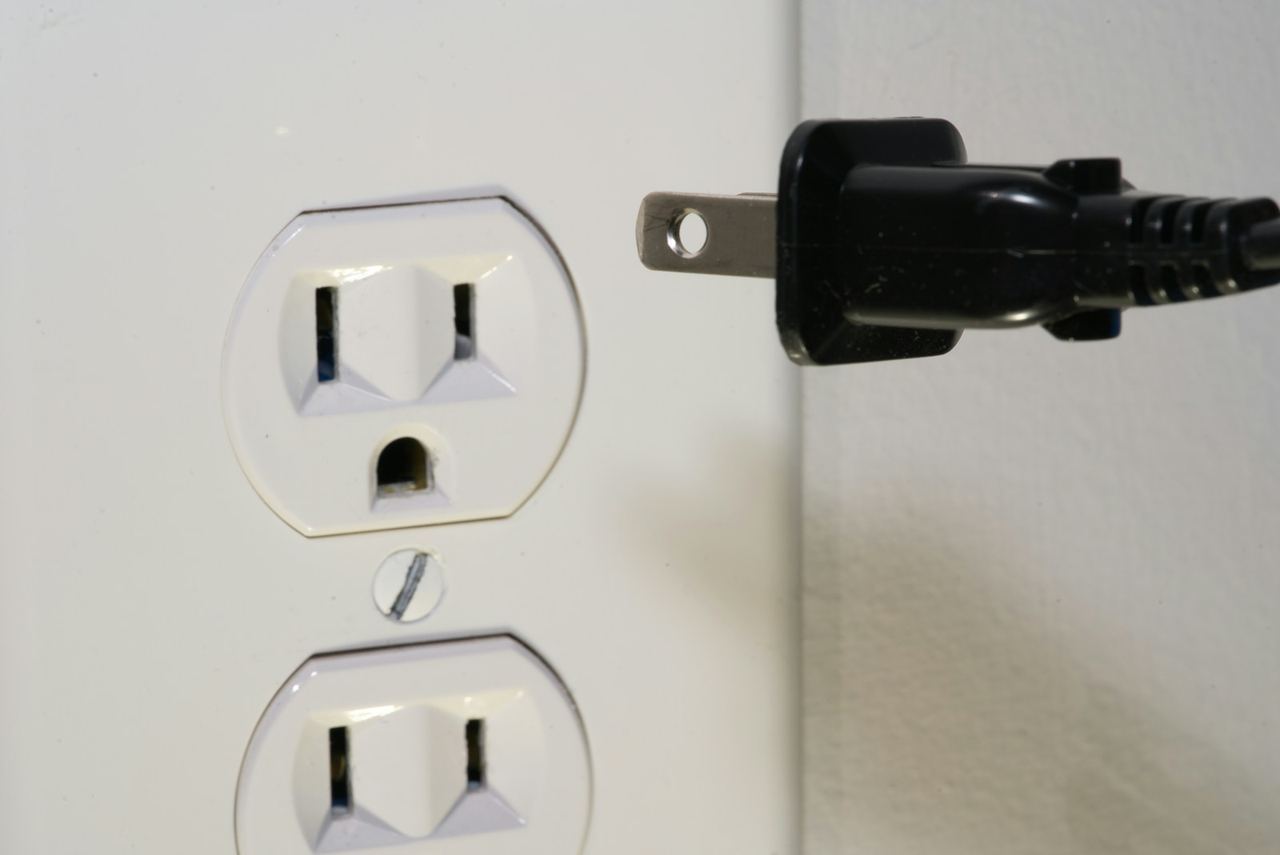
Warm Outlet? 5-Step Check — Normal or Fire Risk (2026) | Can Do It Electrical
A slightly warm outlet during heavy use is not always a problem, but hot outlets, scorch marks, or warmth with nothing plugged in are warning signs.
Aluminum Wiring (1965–75) — Risks, Fixes, Insurance | Can Do It Electrical
If your Stockton home was built between 1965 and 1975, it may have aluminum branch wiring. Here is the actual risk, how to spot it, and your remediation options.
Knob-and-Tube Wiring — Identify, Risks, Insurance (Stockton/Lodi) | Can Do It Electrical
Knob-and-tube wiring was the standard in American homes from the late 1800s through about 1950. If you own a pre-war home in Stockton or Lodi, here is what to know.
Electrical DIY vs Call a Pro — Stockton Homeowner Rules (2026) | Can Do It Electrical
A practical Stockton guide to the line between safe DIY electrical tasks and work that legally and safely belongs to a licensed electrician.
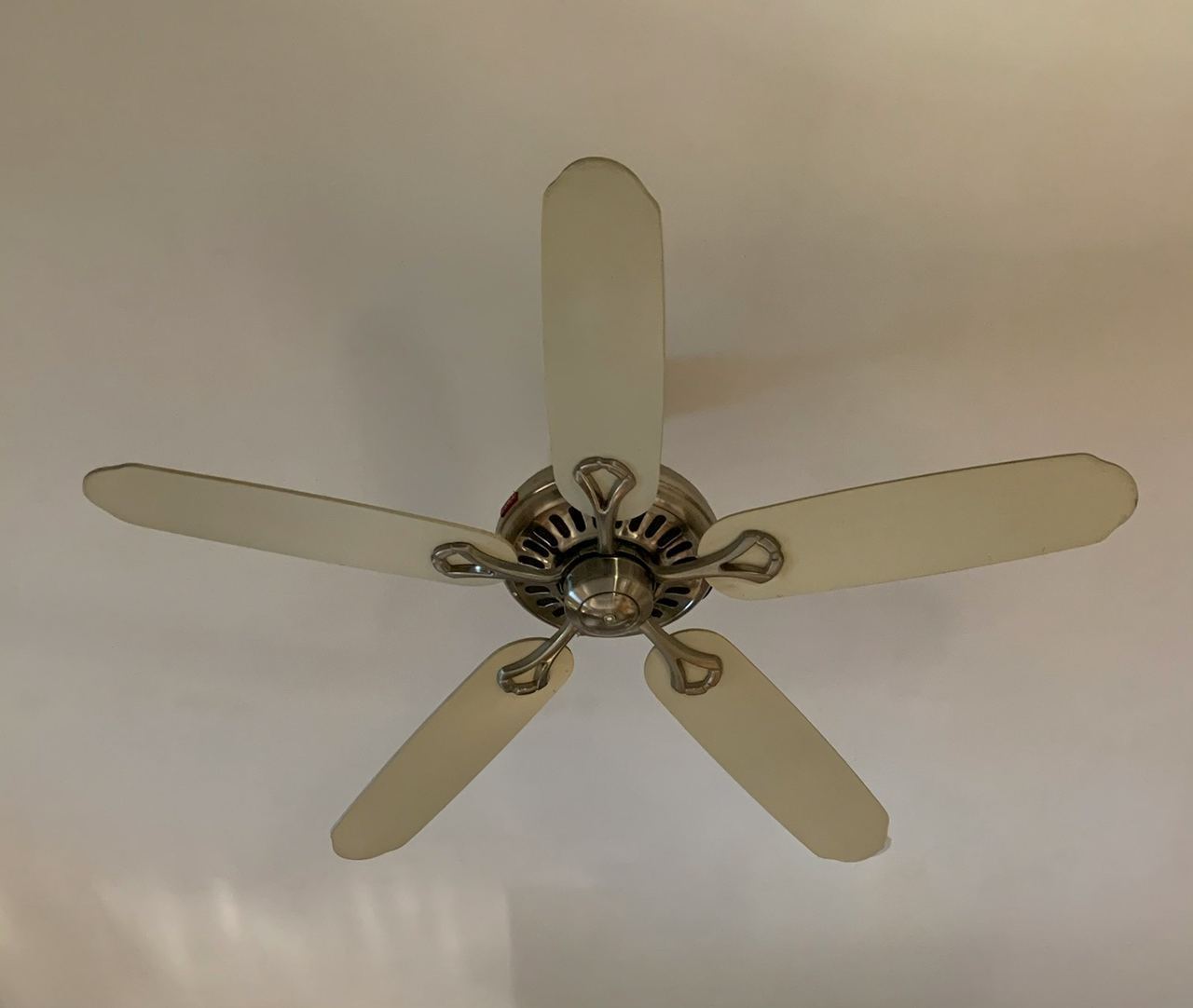
Ceiling Fan Installation Stockton — 5 Steps + Box Rule (2026) | Can Do It Electrical
A practical Central Valley guide to ceiling fan installation — fan-rated boxes, sizing, switching options, and when to bring in a licensed electrician.
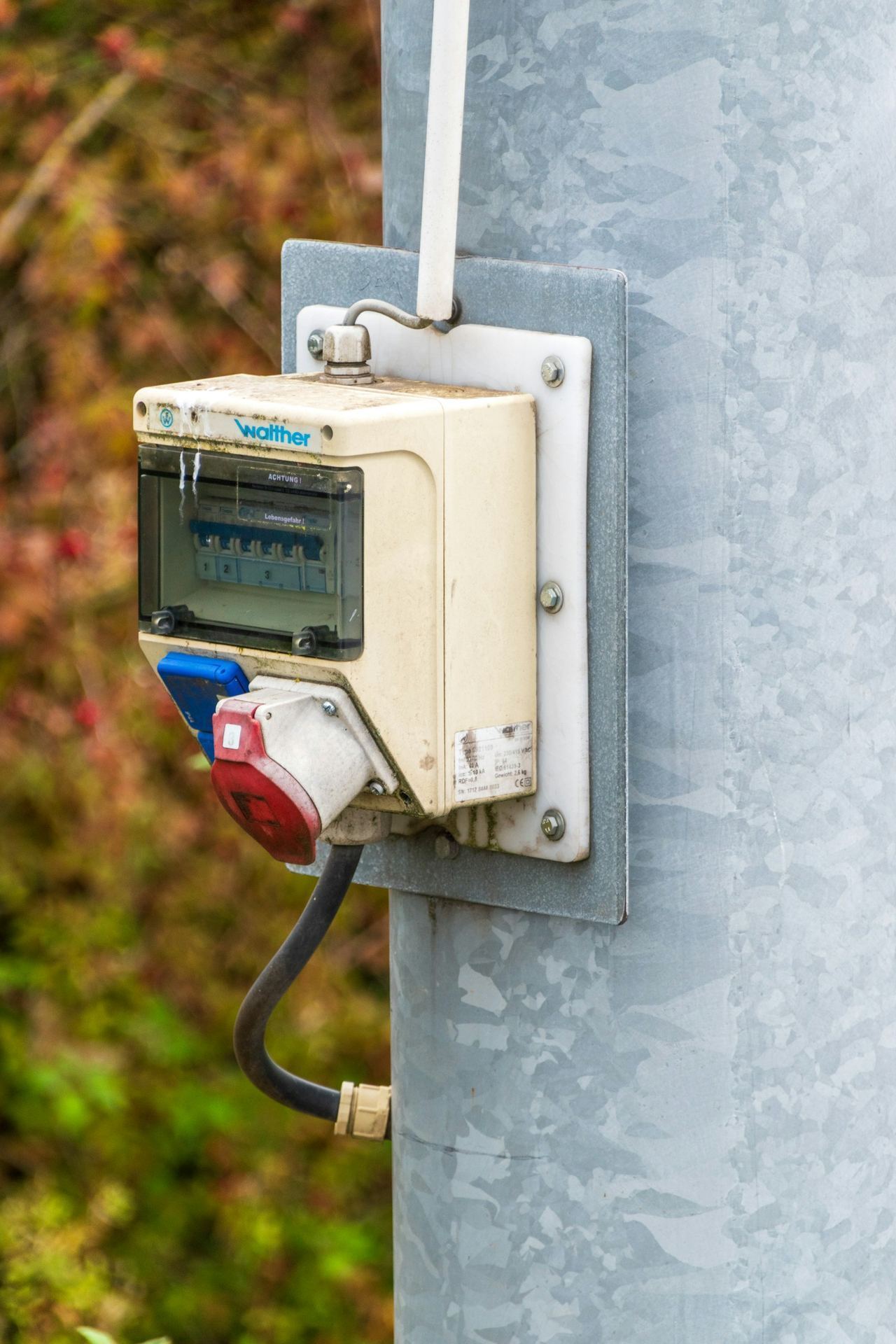
Outdoor Electrical — GFCI, Burial Depth, Weatherproof (Stockton 2026) | Can Do It Electrical
Outdoor circuits face UV, moisture, heat, and critters that indoor wiring never sees. Here is what makes outdoor electrical its own discipline.
Smart Switches Without the Buzzwords — Neutral Wire Trap (2026) | Can Do It Electrical
A no-buzzword primer on smart switches: what they actually do, the wiring gotcha that stops most DIY installs, and where pro work starts.
Recessed Lights — IC vs Non-IC + the Hidden Attic Fire Risk | Can Do It Electrical
Recessed cans look simple, but the IC rating stamped inside the housing decides whether your attic insulation is safe or a slow-burning fire hazard.
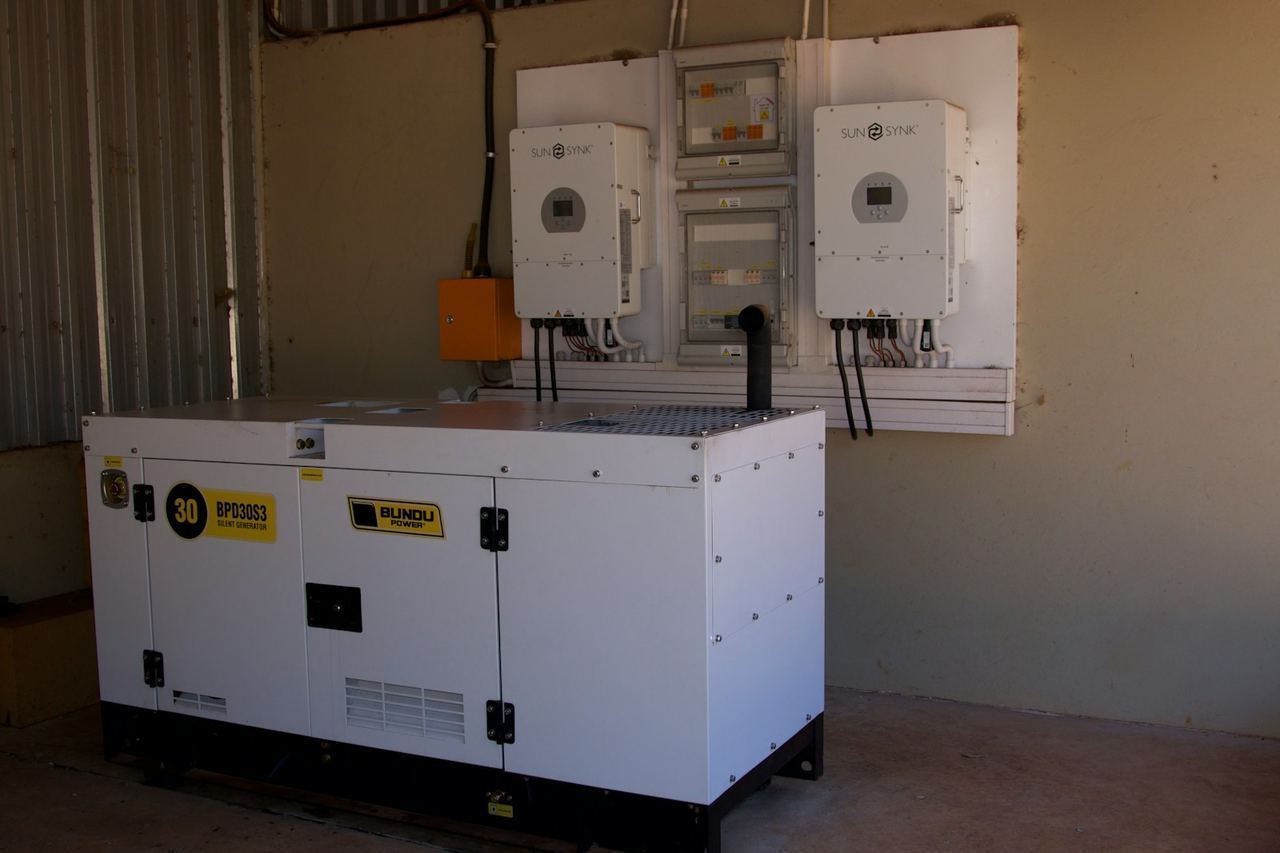
Generator Sizing for PSPS — Portable vs Whole-House (Stockton 2026) | Can Do It Electrical
From PSPS shutoffs to 110-degree summers, here is how Central Valley homeowners actually size a backup generator that keeps the fridge cold and the AC running.
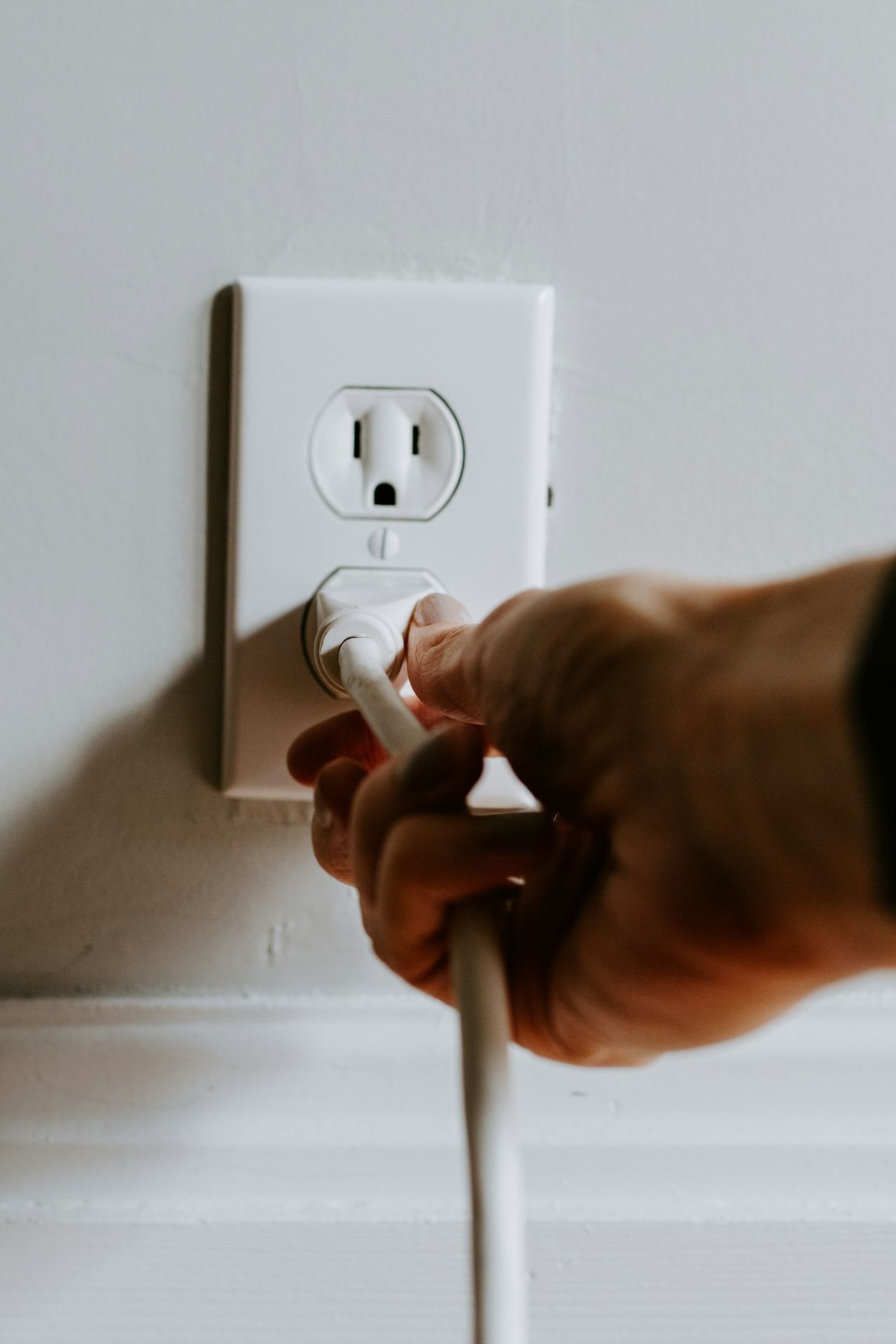
Adding a New Circuit or Outlet — Real Cost + Permit Rules (Stockton 2026) | Can Do It Electrical
There is a big difference between tapping an existing circuit for one more outlet and running a brand-new circuit from your panel. Here is what each involves.
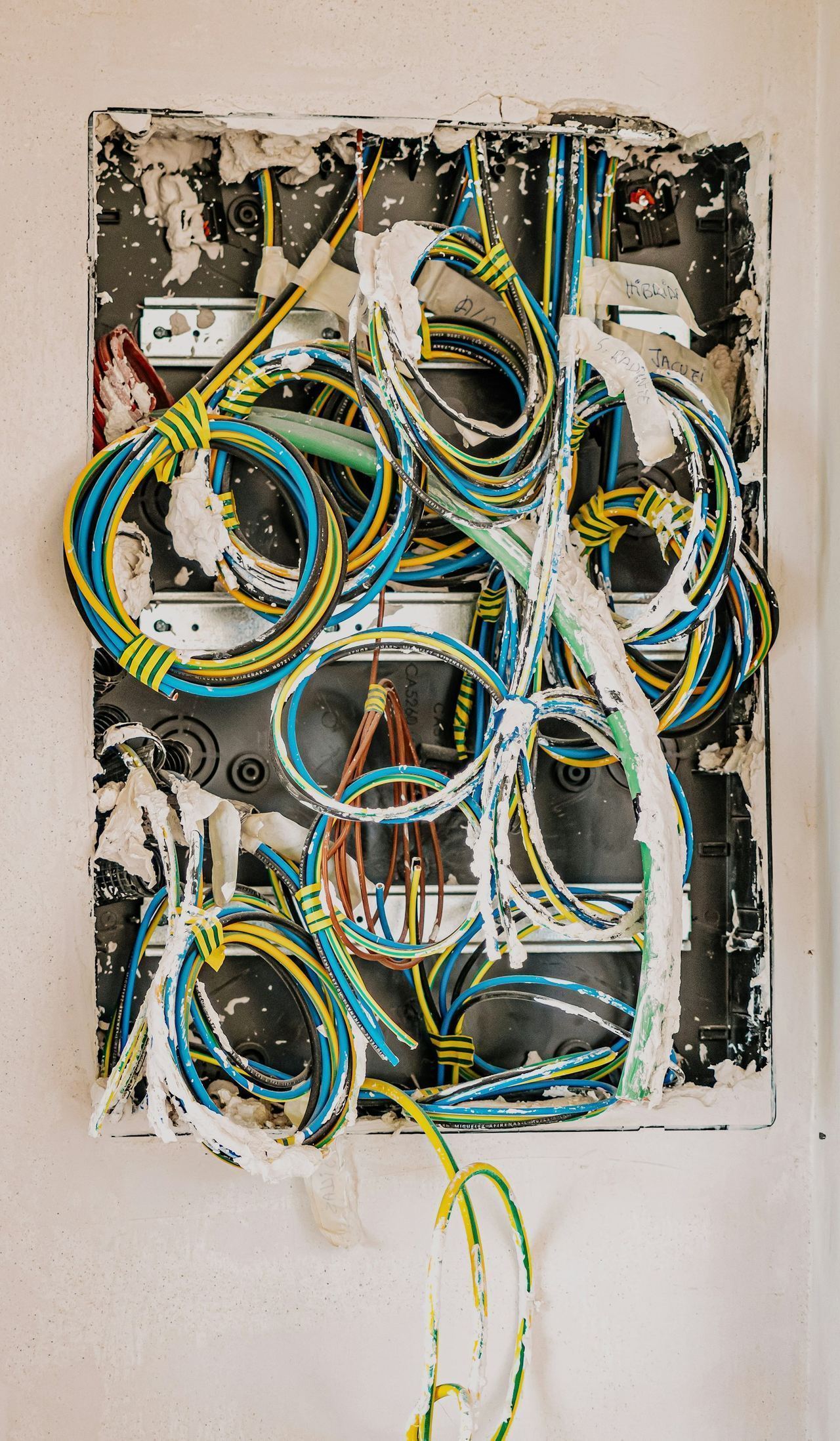
8 Most Common Electrical Fire Causes (Stockton Homeowner Guide 2026) | Can Do It Electrical
Most home electrical fires trace back to one of eight specific patterns. Knowing which ones apply to your home — and what to look for — is the cheapest insurance you can buy.
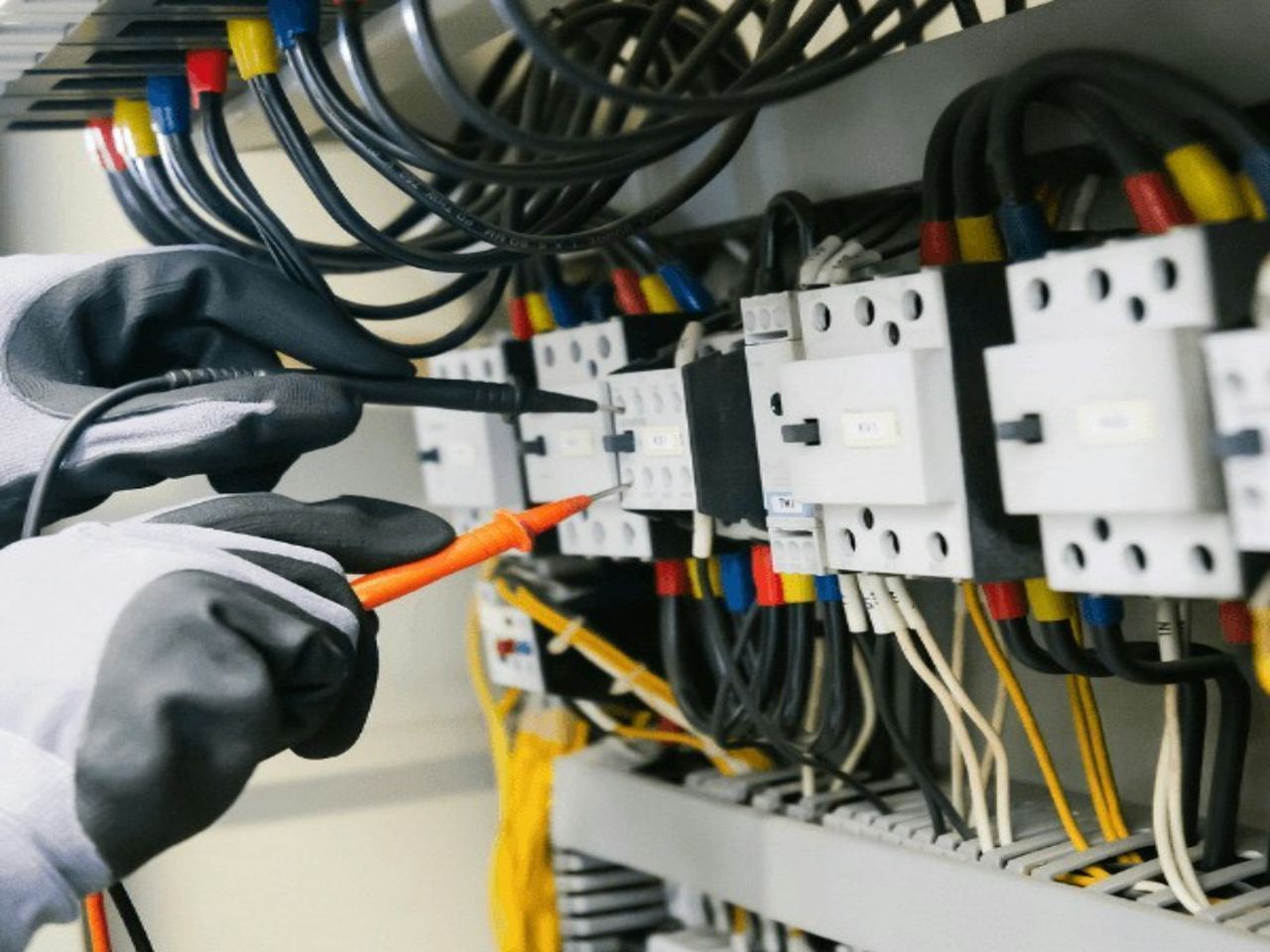
Is Your Panel a Federal Pacific? 5-Minute Check (Stockton 2026) | Can Do It Electrical
Federal Pacific Electric (FPE) panels are linked to a documented fire-risk pattern and most insurance carriers now flag them. If your home was built between roughly 1950 and 1990, here's how to tell whether you have one and what to do about it.
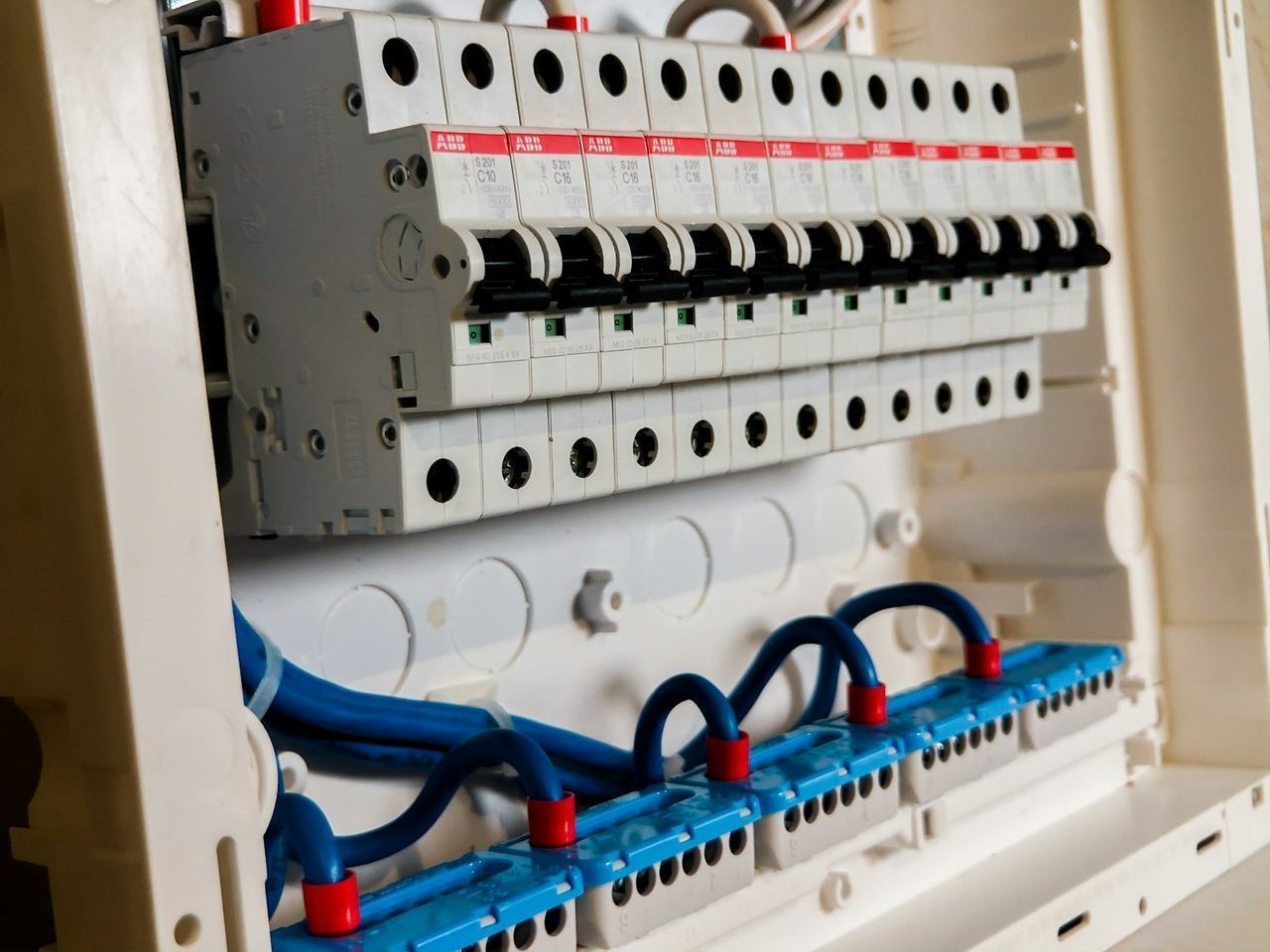
Why Does My Breaker Keep Tripping? 4 Real Causes (Stockton 2026) | Can Do It Electrical
A tripping breaker is almost always doing exactly what it's supposed to do — and the cause is usually one of four specific things. Here's how to tell which one is yours and when it's time to call an electrician.
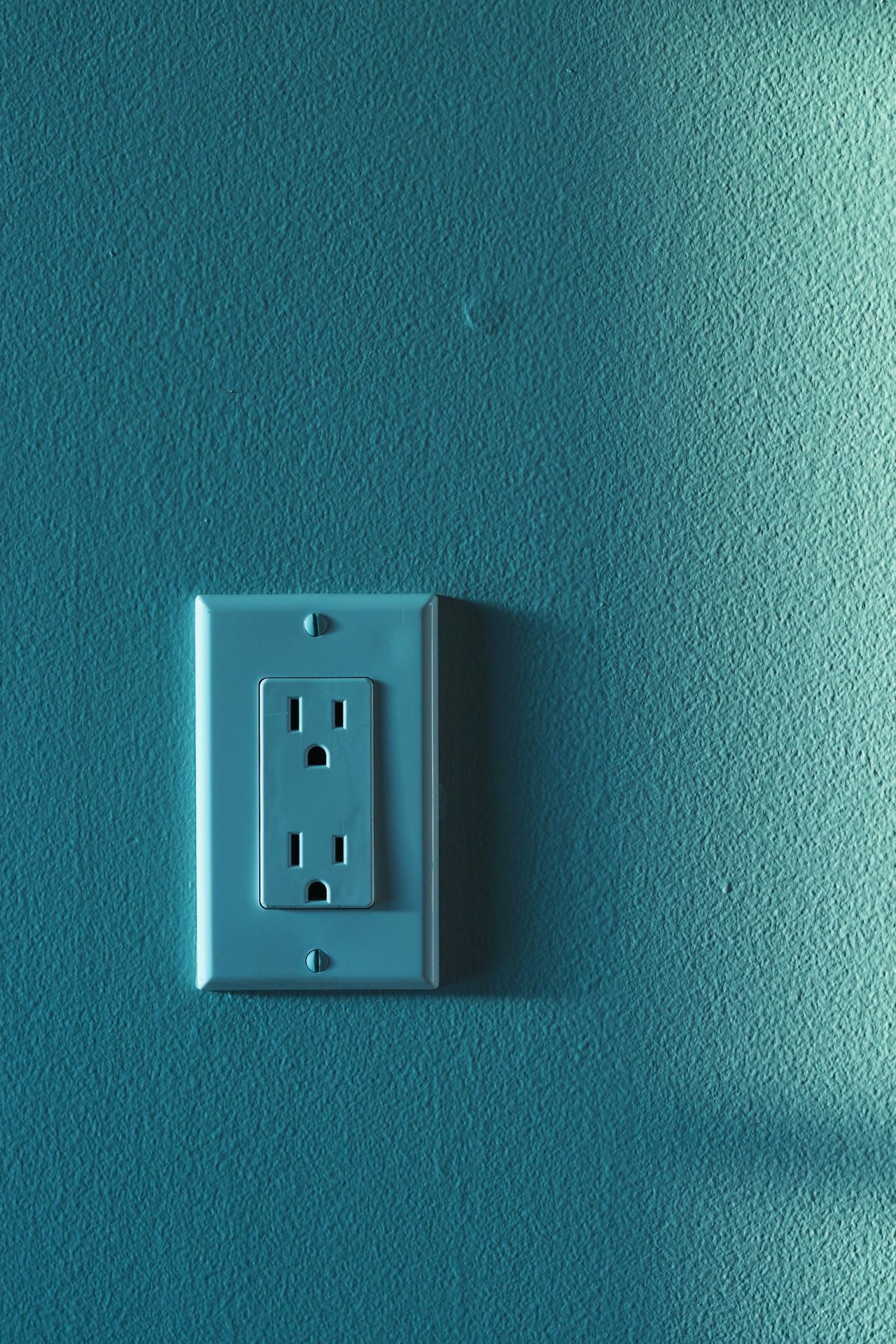
Do I Need a Dedicated Circuit? Quick Homeowner Guide (2026) | Can Do It Electrical
Some appliances need their own circuit by code. Others just work better that way. Here's how to tell which ones in your Stockton-area home need a dedicated circuit, and what's involved in adding one.
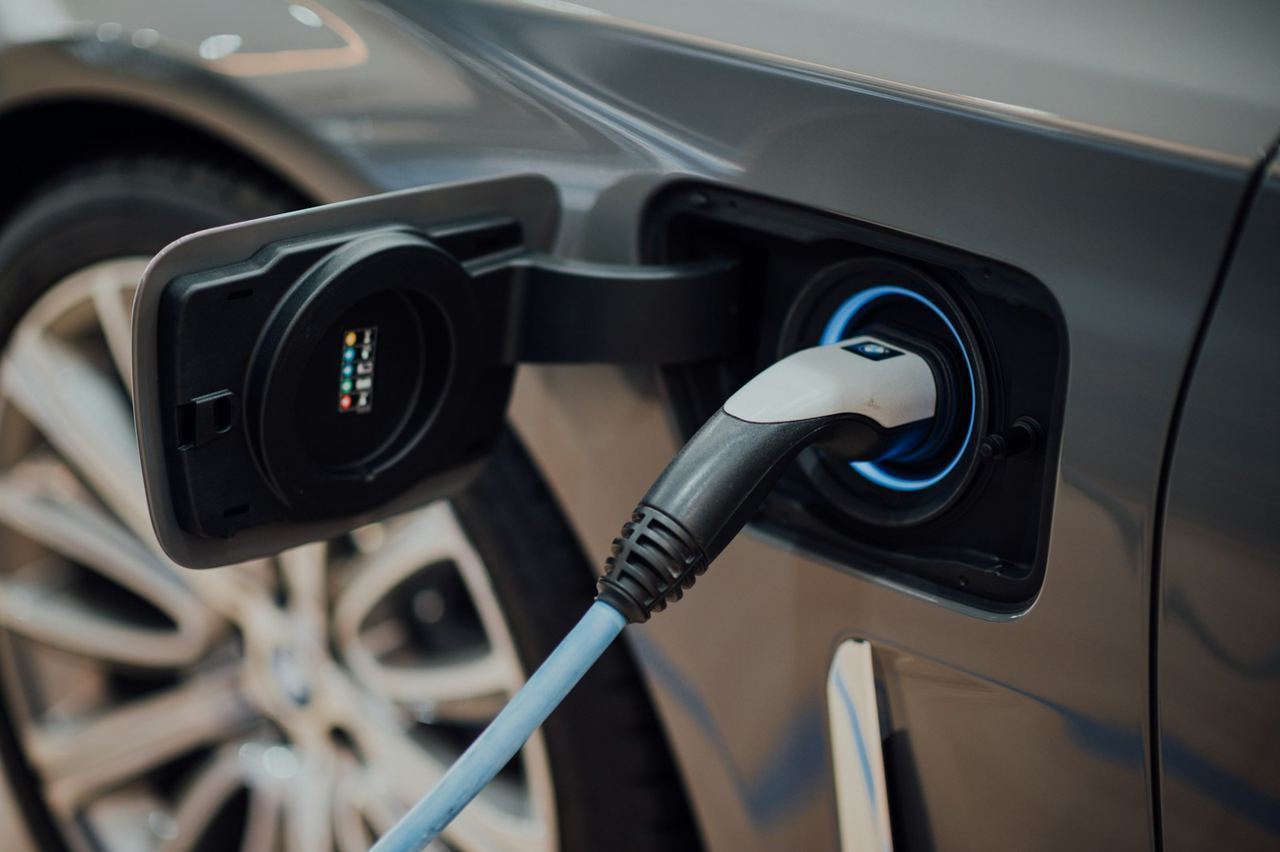
Home EV Charger Install — 5-Step Homeowner Guide (Stockton 2026) | Can Do It Electrical
Most homes in the Central Valley can support a Level 2 EV charger — the question is what kind, where it goes, and whether the panel needs anything addressed first. This walks through the conversation an electrician would walk you through anyway.