Do I Need a Dedicated Circuit? Signs Your Home May Need One
By The Can Do It Electrical Team· Published 2026-05-23· Updated 2026-06-21· 8 min read
You need a dedicated circuit for any appliance that draws heavy sustained current — and California code specifically requires one for electric ranges, dryers, dishwashers, garbage disposals, built-in microwaves, bathroom outlets, laundry, central HVAC, electric water heaters, Level 2 EV chargers, and hot tubs. Everything else is judgment: if a breaker trips whenever two appliances run together, that circuit is asking for one. This guide walks Central Valley homeowners through what needs a dedicated circuit by code, what should have one anyway, and what adding one involves.
What a dedicated circuit actually is
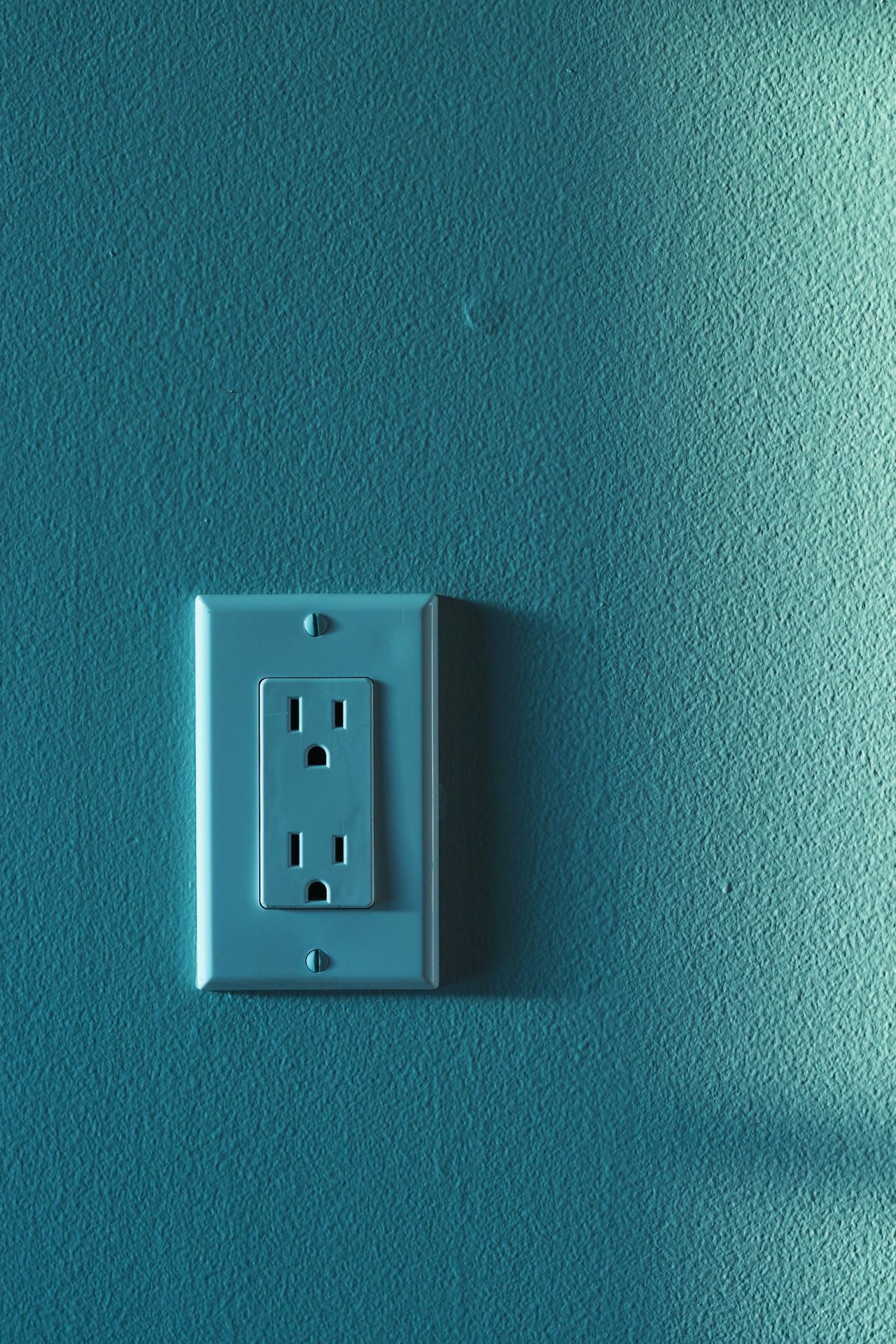
A dedicated circuit runs from your electrical panel to one specific outlet or appliance — and serves nothing else. Its own breaker, its own wire, its own destination. The point isn't electrical theater; it's that some appliances pull enough power that asking the same circuit to also run anything else is asking for trouble.
A typical kitchen has multiple circuits — one for the lights, one or two for the countertop outlets, sometimes a dedicated one for the microwave. A bedroom usually has one circuit covering all the outlets and the overhead light. A laundry room should have a dedicated circuit for the washer (sometimes the dryer too). The difference is the appliance's current draw and the consequences if the circuit overloads.
Appliances that need a dedicated circuit by code
California electrical code (the National Electrical Code with state amendments) requires dedicated circuits for:
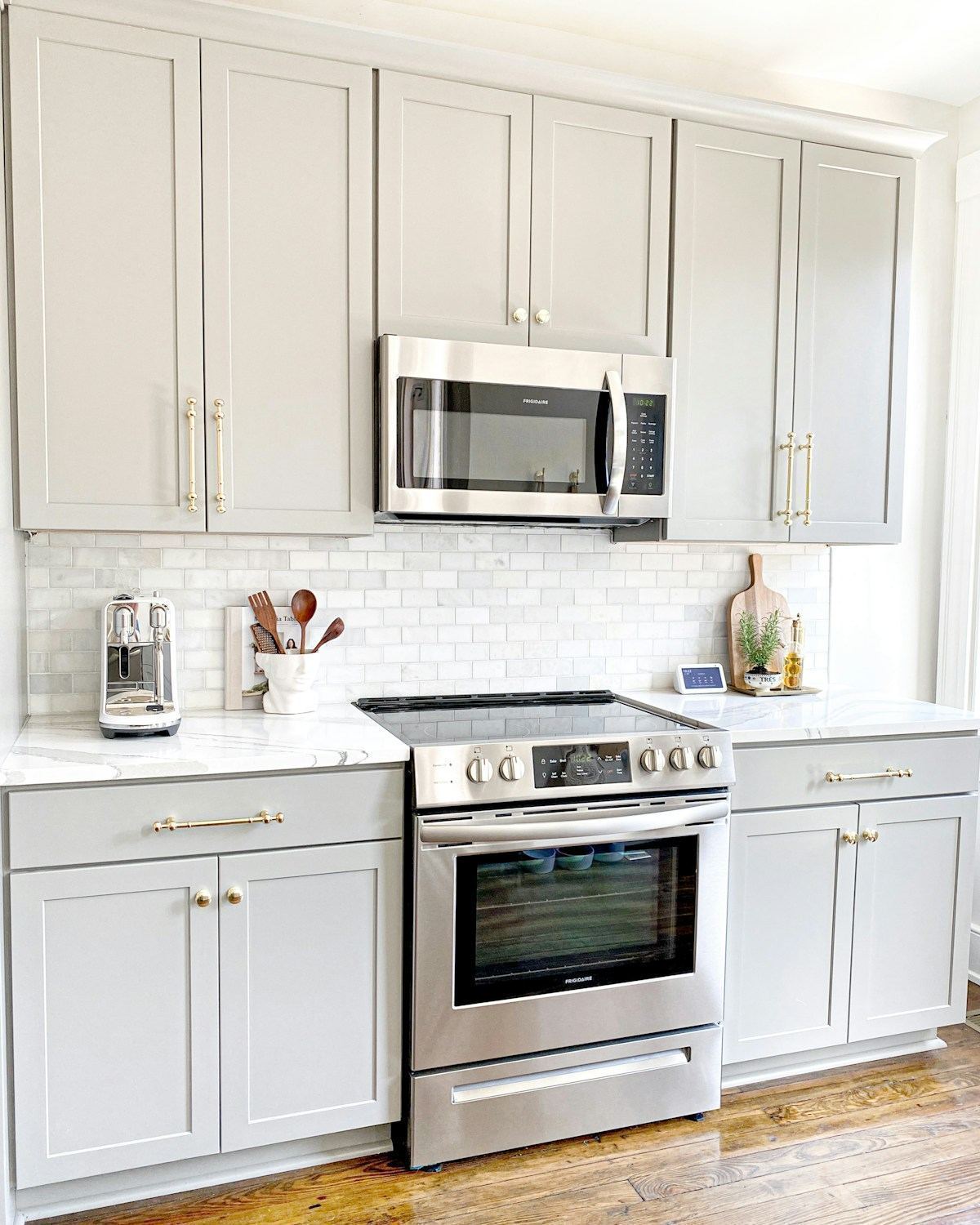
Built-in microwaves and dishwashers each require their own dedicated 20-amp circuit under California code.
Electric ranges, ovens, and cooktops — typically 240V, 40-50 amp
Electric dryers — 240V, 30 amp
Microwaves built into the wall or installed above the range — 120V, 20 amp
Dishwashers — 120V, 15-20 amp
Garbage disposals — 120V, 15-20 amp
Refrigerators — required in newer code editions, "should-have" in older ones
Bathroom GFCI outlets — must be on a circuit that serves only bathroom outlets
Laundry room outlets — dedicated 20-amp circuit for the washer plus any additional laundry-room outlets
Central HVAC — AC condenser, furnace blower, mini-splits
Electric water heaters — 240V, 30 amp
Level 2 EV chargers — 240V, 30-50 amp
Hot tubs and pool equipment — 240V, varies
If you're remodeling, the inspector will require these. If your house was built or last remodeled to current code, they're already there.
Appliances that should have one even when code allows otherwise
Code is the floor, not the ceiling. There are appliances that pull enough that sharing a circuit with anything else is asking for the breaker to trip during normal use:
Window AC units larger than 8,000 BTU (especially in Central Valley summers where they run for hours)
Space heaters used regularly (1,500W on a 15A circuit is already 80% of the safe load — anything else on that circuit will trip it)
Treadmills and home gym equipment with motors over 1.5 HP
Large home theater systems with subwoofer + receiver + projector
Aquariums over 50 gallons (filter, heater, lights, pump all together)
Workshop tools (table saw, dust collector, air compressor)
Home office setups with multiple monitors, a workstation PC, peripherals, and charging stations
A second refrigerator or chest freezer in the garage
The pattern: anything that pulls 1,000+ watts continuously, or that you can't afford to have power-cycle randomly (a freezer full of food, a fish tank with sensitive livestock, a home office during a work day).
Signs your home is missing dedicated circuits it should have
A few patterns we hear regularly:
The microwave runs and the kitchen overhead light dims
The dishwasher and the disposal can't run at the same time without tripping the breaker
The window AC kicks the bedroom breaker every time it cycles on
The garage freezer thaws out periodically and you can't figure out why (something else on the same circuit is intermittently tripping the breaker)
The bathroom GFCI trips whenever someone uses a hair dryer
The treadmill consistently trips the breaker after 20 minutes
Your home office shares a circuit with the bedroom and you have to choose what to plug in
The 240V plug for the dryer or range looks like it's been there since 1972 and you can see scorching around it
Any of these are signs that either a dedicated circuit was never installed, or one was supposed to be installed during a remodel and wasn't.
How dedicated circuits relate to your panel
Every circuit takes up a breaker slot in your panel. Older Stockton-area homes often have 100-amp panels with maybe 20-24 breaker slots, of which most are already occupied. Adding a dedicated circuit means there has to be either a free slot, or a way to make one (sometimes by combining a tandem breaker or replacing two single breakers with one duplex).
There's also the actual total-capacity question: a 100-amp service has a real ceiling on how much load it can handle at once. Adding a dedicated circuit for a high-draw appliance like an EV charger or a second AC can push that ceiling — at which point the conversation shifts from "add a circuit" to upgrade the panel.
A good electrician runs a load calculation before adding a high-draw dedicated circuit. The answer might be "yes, plenty of capacity, here's the install." It might be "yes, but you should know you're getting close to your limit." Or it might be "you'll need a panel upgrade before this circuit will work safely." All three are honest answers — and the difference between them is real.
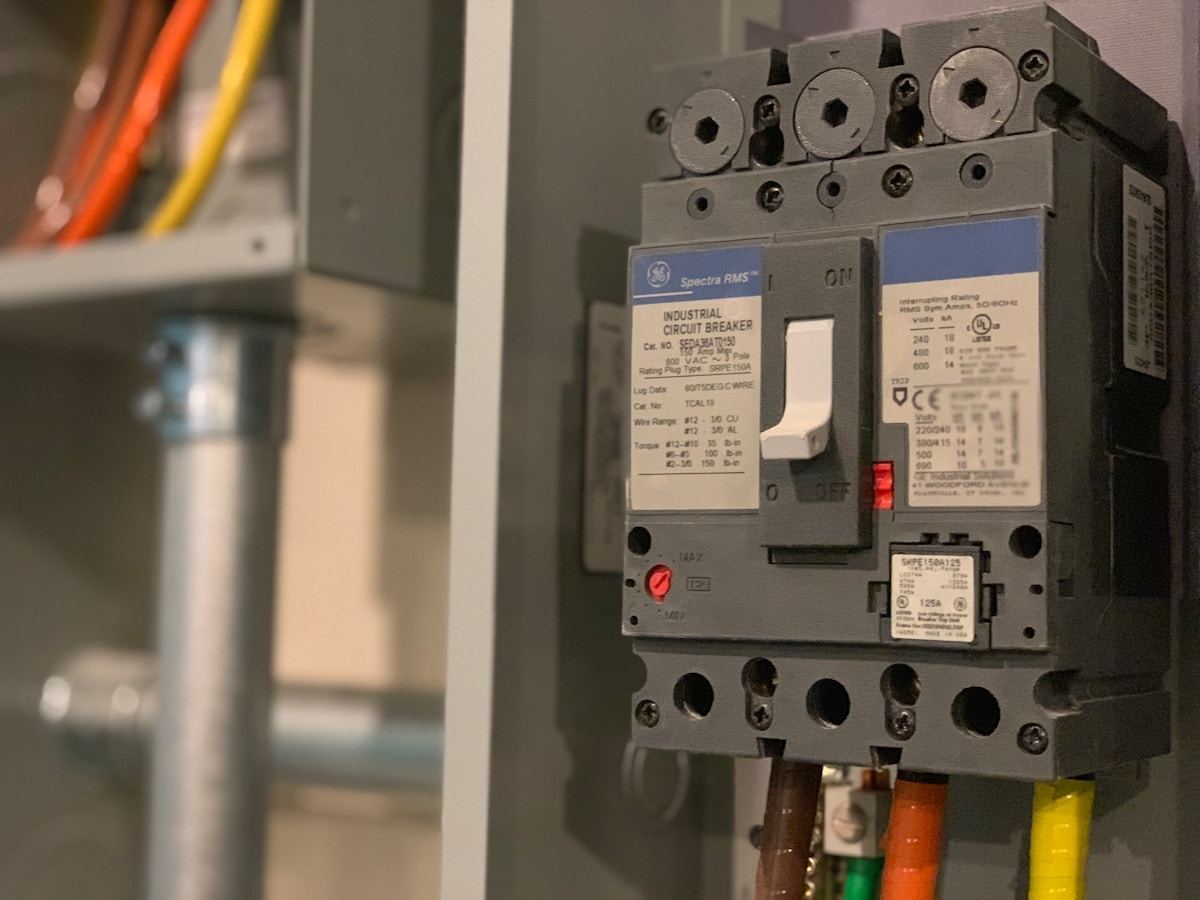
Every new dedicated circuit needs an available breaker slot in your panel. Older 100A panels often run out of room before they run out of amperage.
What's involved in adding one
A typical dedicated circuit install:
The electrician verifies there's a free breaker slot, or makes one
They size the breaker and wire to match the appliance's draw plus the code-required safety margin
They route the wire from the panel to the outlet location — through the attic, wall cavities, basement, or crawl space depending on the home
They install the outlet (or hardwire the appliance) and the breaker
They pull the permit and book the inspection
The "route the wire" step is what makes some installs take an hour and others take a day. A circuit from the panel to a garage outlet 15 feet away is short and clean. A circuit from the panel to a far bedroom in a two-story Stockton home requires fishing through finished walls, cutting access holes, and patching drywall. A real quote requires the electrician to see the routing path.
When it's the right fix vs when a bigger conversation is the right fix
Adding a dedicated circuit is the right fix when the rest of your panel is healthy, your overall service has capacity headroom, and the appliance is staying put.
It's not the right fix when you're at or near your panel's capacity limit already, when the panel is a Federal Pacific, Zinsco, or Pushmatic (in which case the panel itself should be replaced before adding to it), or when you're planning to add multiple high-draw appliances over time — EV charger, heat pump, induction range — at which point a panel upgrade now is cheaper than adding circuits piecemeal.
Will adding a dedicated circuit fix my tripping breaker?
Often, yes — if the trip is happening because too much is on one circuit, giving the heaviest appliance its own circuit removes the overload. But if the breaker is failing or there's a short on the existing circuit, a new dedicated circuit won't fix that underlying issue. Diagnose first, install second.
Can I add a dedicated circuit if my panel is full?
Sometimes. Options include tandem breakers that fit two circuits into one slot (if your panel supports them), removing an unused or redundant circuit, or — when those don't work — upgrading to a larger panel. An electrician can tell you which option fits your specific panel.
Is a dedicated circuit required if I'm just replacing an existing appliance?
Usually not — like-for-like replacement generally doesn't trigger a new circuit requirement. But if you're upgrading from a smaller appliance to a larger one (a 30-gallon water heater to a 50-gallon, a 24-inch range to a 36-inch), the bigger one may require a circuit your home doesn't currently have.
Do I need a permit to add a dedicated circuit?
In Stockton and the rest of the Central Valley, yes — new circuits require a permit and an inspection. A reputable electrician pulls the permit and books the inspection as part of the job. If a quote leaves the permit out, that's a corner-cutting sign.
How long does it take to install one?
A simple install (short wire run, easy access) is typically a few hours. A more involved install (long wire run through finished walls, attic or crawl-space routing, drywall patching) can be most of a day. The electrician should give you a real estimate after seeing the routing path.
Written by the Can Do It Electrical team. Can Do It is a Stockton-based electrical referral service — we connect Central Valley homeowners and businesses with licensed, vetted local electricians and write about the electrical patterns we see in real Stockton-area jobs.
✅ Request received! We'll be in touch within a few hours. Thanks!
Can Do It Electrical is a referral and job coordination service. We are not a licensed electrical contractor. All electrical work is performed by independent licensed contractors. Contractor license numbers available upon request.