How to Tell If Your Electrical Panel Is a Federal Pacific (and What to Do About It)
By The Can Do It Electrical Team· Published 2026-06-18· 9 min read
A Federal Pacific panel is identified by four things: the labels FEDERAL PACIFIC ELECTRIC, FPE, or STAB-LOK on the panel face; breaker handles colored red, yellow, brown, or green instead of black; a small circular bullseye logo on the breakers; and shorter, stubbier breakers than modern Square D or Eaton. Homes built in Stockton between 1950 and 1990 are the highest-risk group. FPE Stab-Lok breakers have a documented pattern of failing to trip during overcurrent, and most California insurance carriers now flag them at policy renewal. Here's the 5-minute homeowner check.
Why this matters
A circuit breaker has one job: cut power to a circuit when current exceeds what the wiring can safely carry. When the breaker fails to do that, the circuit keeps drawing too much current, the wire heats up, and a fire can start inside walls where nobody sees it until it's too late.
Federal Pacific Electric Stab-Lok breakers have a documented pattern of failing to trip during overcurrent. The original research was published in the early 1980s; field tests since have consistently shown failure rates significantly higher than other manufacturer panels of the same vintage. By the late 1980s the company stopped operations, but millions of panels were already installed in American homes — and many are still in service today.
In Stockton, Lodi, and the older parts of the Central Valley, mid-century and 1970s tract homes are the heaviest concentration. Some Brookside, Lincoln Village, and downtown-Lodi pockets are particularly common.
Step-by-step: how to identify your panel
The check is straightforward. You're looking for any combination of the following:
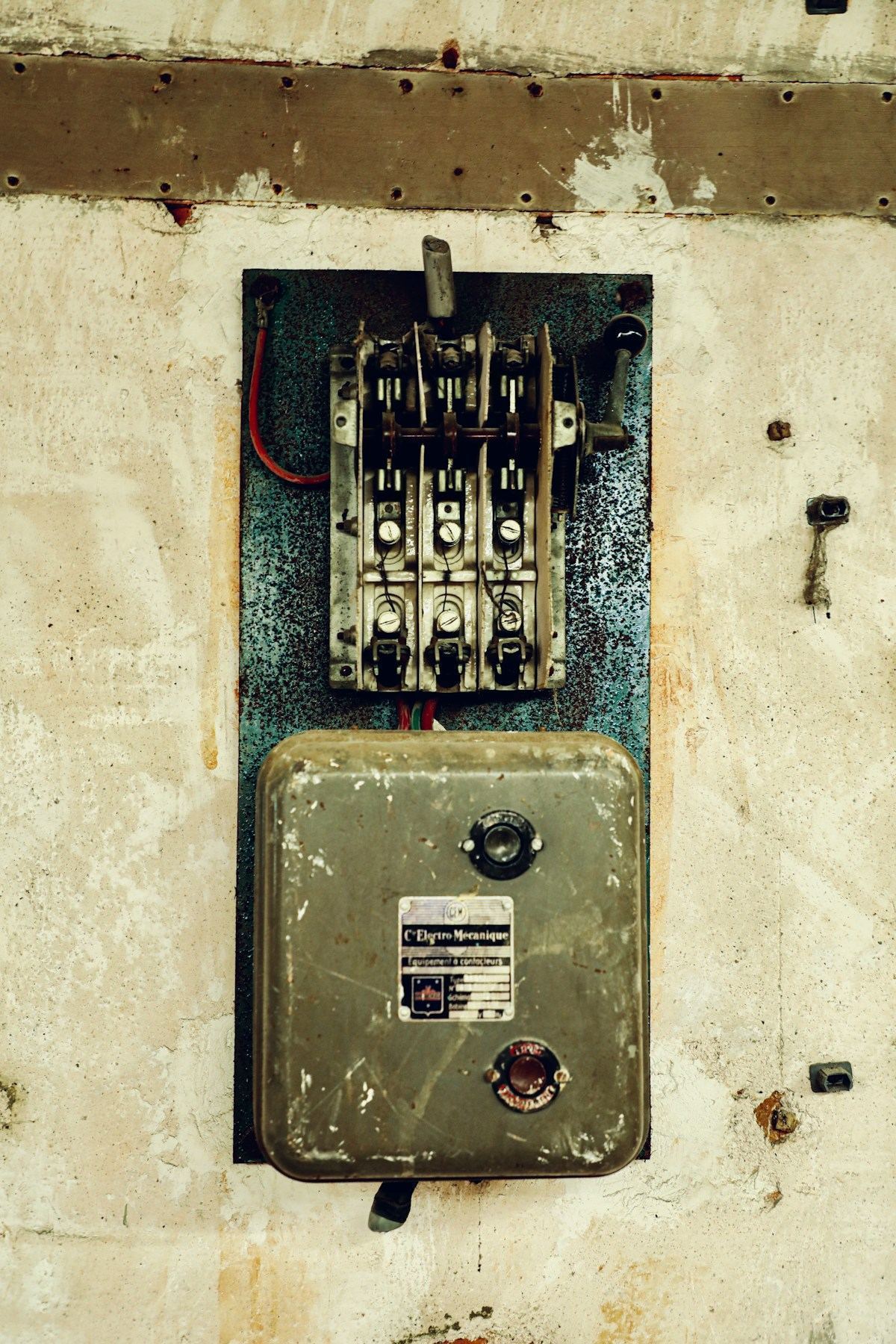
Vintage residential panels like this one are where Federal Pacific Stab-Lok, Zinsco, and Pushmatic show up most often.
Brand labeling: "FEDERAL PACIFIC ELECTRIC", "FPE", "STAB-LOK", or "FEDERAL PIONEER" written on the panel face, the inside of the outer door, or above the breakers
Breaker handle colors: red, yellow, brown, or green (vs. the typical modern black or white)
Bullseye logo: a small circular FPE logo on the breaker handles or panel face
Breaker shape: shorter, stubbier breakers than modern Square D, Eaton, Siemens, or Murray panels — and they stab into the bus bar horizontally instead of clipping in vertically
Age clue: if the home was built between 1950 and 1990 and the panel hasn't been replaced, the odds are non-trivial
Important: only open the outer door. Do not remove the inner panel cover that exposes the wiring. That requires de-energizing the main service and is licensed-electrician work.
Zinsco and Pushmatic — the same conversation
Federal Pacific isn't the only panel brand with a documented failure pattern. Zinsco and Pushmatic (later branded "Bulldog" or "ITE Pushmatic") have similar histories. If you see any of those names while doing the check, the same recommendation applies.
Modern Square D, Eaton, Siemens, Murray, and Cutler-Hammer panels do not share these issues.
What insurance carriers think
As of the last few years, the major California home insurance carriers — State Farm, Allstate, Farmers, USAA, AAA, and most regional carriers — have moved toward requiring FPE / Zinsco / Pushmatic panel replacement at policy renewal. Some won't write a new policy on a home with one of these panels at all. Others will write it but exclude electrical-fire claims, or require a written panel-replacement plan within a fixed window.
Practical implications:
Pre-purchase: if you're buying a home with an FPE panel, expect either a price negotiation for replacement or a closing-cost credit. Don't waive the inspection.
Pre-sale: replacing the panel before listing typically pays for itself in fewer post-inspection negotiations and a smoother close.
Currently insured: if your policy comes up for renewal and the carrier flags the panel, you usually get a window (often 30–90 days) to provide a written replacement plan from a licensed electrician.
If you've never been flagged: that doesn't mean you're safe. It usually means the carrier hasn't done a recent property inspection. Most modern carriers do periodic drive-by or interior inspections on older homes.
What replacement actually involves
Replacing an FPE panel is a one-day job for a licensed electrician in most residential cases. The high-level steps:
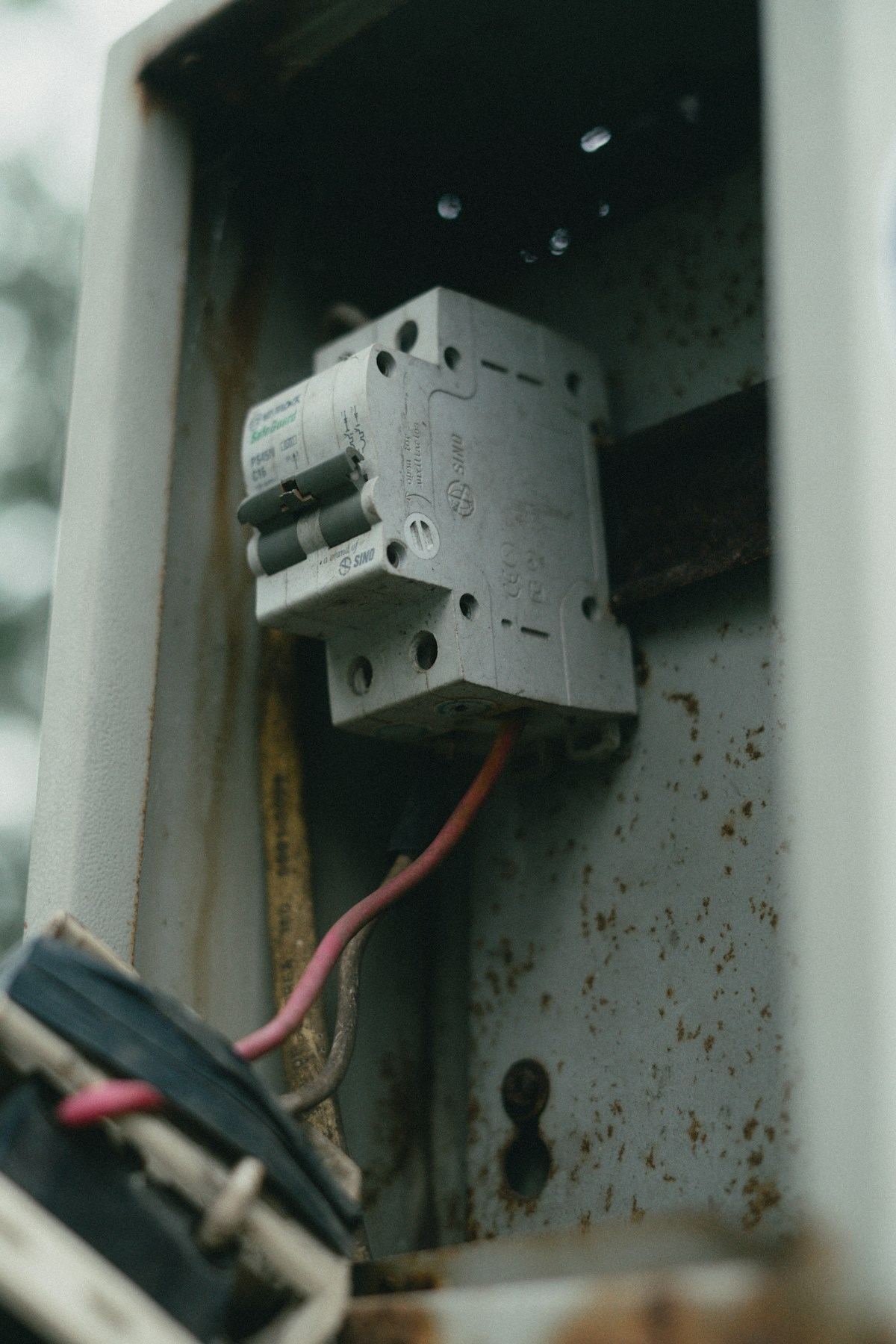
A modern replacement panel — Square D, Eaton, Siemens, or similar — installed by a licensed electrician with a permit through the city.
Coordinate with PG&E (or your local utility) for a temporary service disconnect
Pull a permit with the City of Stockton, Lodi, or relevant building department
Disconnect the old panel, remove it
Install the new modern panel with appropriate breakers (often a panel upgrade to 200-amp is bundled, especially if you're planning EV charging, solar, or major appliances)
Reconnect the utility service, restore power
Pass the city electrical inspection
Total power-off time is usually 4–8 hours during the day of the work. The permit and inspection cycle wraps a week or two later. Our panel upgrades page covers cost ranges and what to expect in detail.
Older Stockton and Lodi homes — the local pattern
In Stockton, FPE panels are most common in mid-century tracts: Brookside, Lincoln Village, Country Club, parts of Magnolia, and the streets around Lakeshore. Quail Lakes and Spanos Park (newer 1980s–2000s construction) have a lower concentration but it's not zero.
In Lodi, FPE panels show up in the Eastside, Tokay, the older blocks of downtown, and pre-1970s sections of Vinewood. Pre-1950 homes (the older Victorians and bungalows around Lodi Lake) often have even older panels — fuse boxes or 60-amp services that need their own conversation.
If your home falls in any of these patterns and you're not sure what panel you have, the 5-minute check above is worth doing this weekend.
When to call an electrician vs check yourself
You can confirm the brand yourself. The outer-door check is safe and takes under 5 minutes.
Get an electrician for: a written panel evaluation for your insurance carrier; the actual replacement work; load-calculation if you're planning an EV charger, solar, or other major upgrade; or any time the panel itself feels warm, smells hot, or shows scorching.
A reputable electrician will document the brand with photos, provide a written replacement quote with permit fees included, and coordinate the utility scheduling. Our electrical inspections page covers what a proper evaluation looks like.
Frequently Asked Questions
My FPE panel has worked fine for 30 years. Is it actually a risk?
That's the most dangerous part of the story. FPE panels don't fail in obvious ways like blowing breakers visibly. They fail by NOT tripping when they should — and that failure is silent until something heats up enough to start a fire. The documented failure rate is much higher than other panel brands; "worked fine until it didn't" is the standard pattern.
Can I just replace the breakers, not the whole panel?
No. The failure pattern is in the bus bar / stab-lok contact design itself, not just the breakers. Replacing breakers in an FPE panel with modern breakers also creates code-compliance issues (most modern breakers are not UL-listed for FPE bus bars). Full panel replacement is the standard remediation.
How long does an FPE panel replacement take?
Most residential FPE-to-modern panel swaps are a one-day job. Power is off for about 4–8 hours during the swap. The permit-and-inspection cycle is typically scheduled within a week or two of the work.
Will my insurance pay for replacement?
Generally no — homeowner's insurance covers damage from events, not preventive repairs. Some carriers offer rebates or credits when you proactively replace flagged equipment, and some California utility programs occasionally have rebate windows for safety-driven panel upgrades. Worth asking your carrier and checking PG&E's current programs.
If I'm planning to sell soon, should I replace it first?
Almost always yes. An FPE panel will be flagged in the buyer's inspection report, will become a negotiation lever (usually for more than the actual replacement cost), and may scare off some buyers entirely. Replacing it before listing typically pays for itself.
What about Zinsco and Pushmatic panels?
Same conversation. Zinsco and Pushmatic (sometimes branded Bulldog or ITE Pushmatic) have similar documented failure histories and are flagged by the same insurance carriers. The replacement recommendation is identical.
Written by the Can Do It Electrical team. Can Do It is a Stockton-based electrical referral service — we connect Central Valley homeowners and businesses with licensed, vetted local electricians and write about the electrical patterns we see in real Stockton-area jobs.
✅ Request received! We'll be in touch within a few hours. Thanks!
Can Do It Electrical is a referral and job coordination service. We are not a licensed electrical contractor. All electrical work is performed by independent licensed contractors. Contractor license numbers available upon request.