
IC stands for Insulation Contact. An IC-rated recessed light housing is tested to sit in direct contact with attic insulation without overheating; a non-IC housing requires a 3-inch air gap on all sides or it can ignite the material around it. The common Stockton failure pattern: non-IC cans installed in the 1970s or 80s, then buried when someone blows in attic insulation for energy savings — a slow-burning fire hazard nobody sees. This guide walks through IC, IC-AT, sizing, trims, and when a retrofit LED bulb fixes the problem versus when the whole housing has to change.
A recessed light is a fixture that sits inside the ceiling cavity. From the room you see a trim ring and a bulb; above the ceiling there is a metal housing (the "can"), a junction box, and wiring. Because the housing lives inside insulated framing, how it handles heat is a code and safety issue. Modern installs are almost always LED. Older Stockton homes still have incandescent or halogen cans, which run far hotter — where most trouble starts. Our lighting installation team can spec the right housing for each room.
IC stands for Insulation Contact. An IC-rated housing is built and tested to sit in direct contact with attic insulation without overheating. A non-IC housing is not — it must have a 3-inch air gap on all sides, or heat from the bulb gets trapped and can ignite surrounding material.
This is the failure mode we see across older Stockton neighborhoods: a home built in the 70s or 80s has non-IC incandescent cans. Twenty years later someone blows in attic insulation for energy savings — and buries the cans. Nobody flags it. The cans overheat every time the lights are on. One of the slow-burn patterns in our most common electrical fire causes.
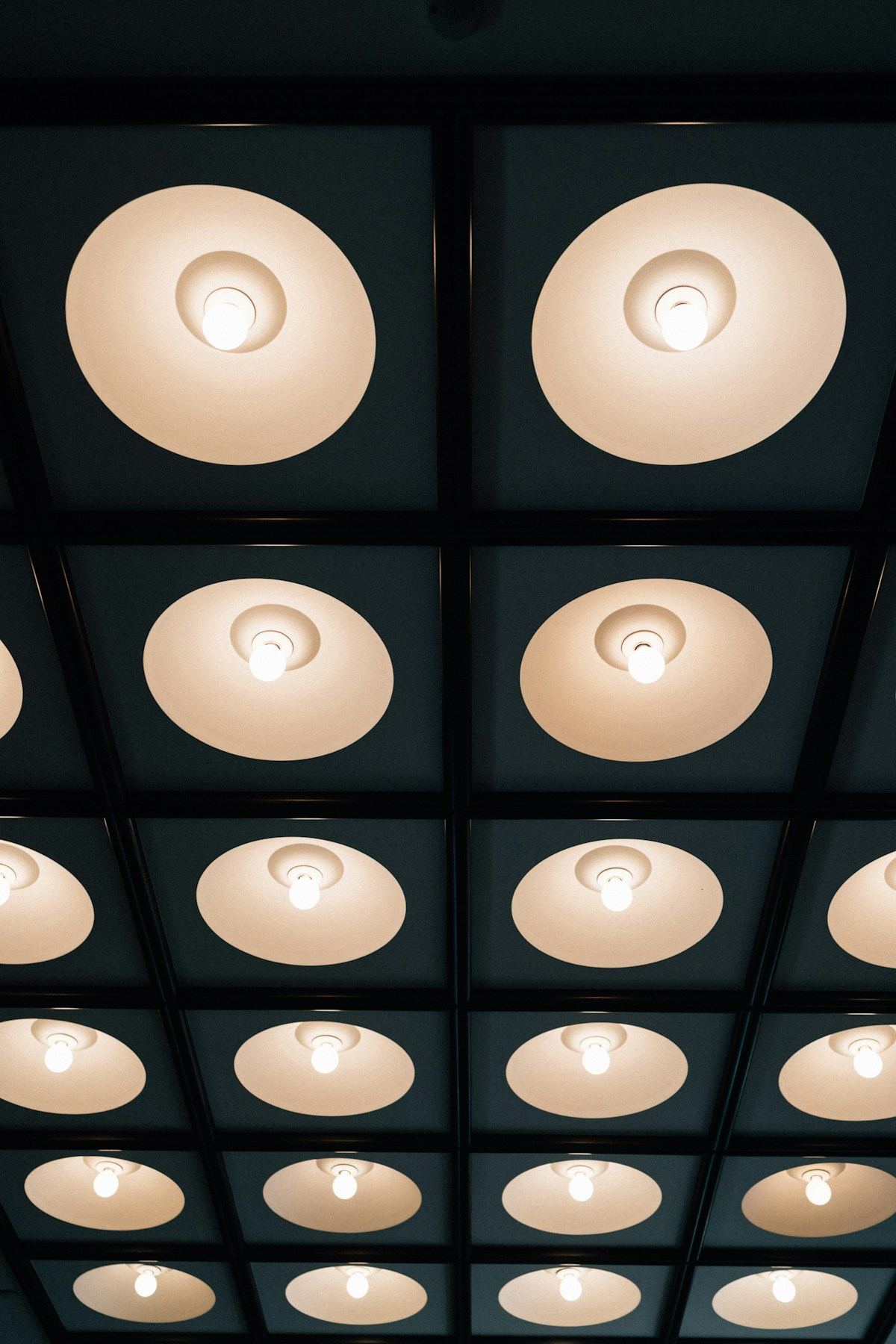
Airtight rated cans seal the gap between conditioned indoor air and the attic. Without that seal, every recessed light is a small chimney pulling cooled air into the attic in summer and humid air down into your ceiling in winter. In Stockton's climate that means higher cooling bills and sometimes moisture damage around the trim. IC-AT housings combine both ratings and are the safer default for any can below an insulated attic.
Most residential cans are 4-inch or 6-inch. Six-inch is the long-standing default for general room lighting; 4-inch gives a cleaner modern look. Typical spacing is 6 to 8 feet between cans; rule of thumb is ceiling height divided by 2 equals spacing in feet.
If your existing cans are IC-rated and in good shape, an LED retrofit kit is the cheap win — twists into the old socket, drops wattage by 80%, modern trim in one step. If the cans are non-IC and buried in insulation, a retrofit bulb does not fix the underlying problem. The housing still overheats. The right move is a full fixture replacement with an IC-AT housing or a canless LED, which our repairs team handles routinely.
Describe your electrical job and where you're located. We'll match you with the right person and get back to you fast — usually same day.
No obligation. Takes 30 seconds.