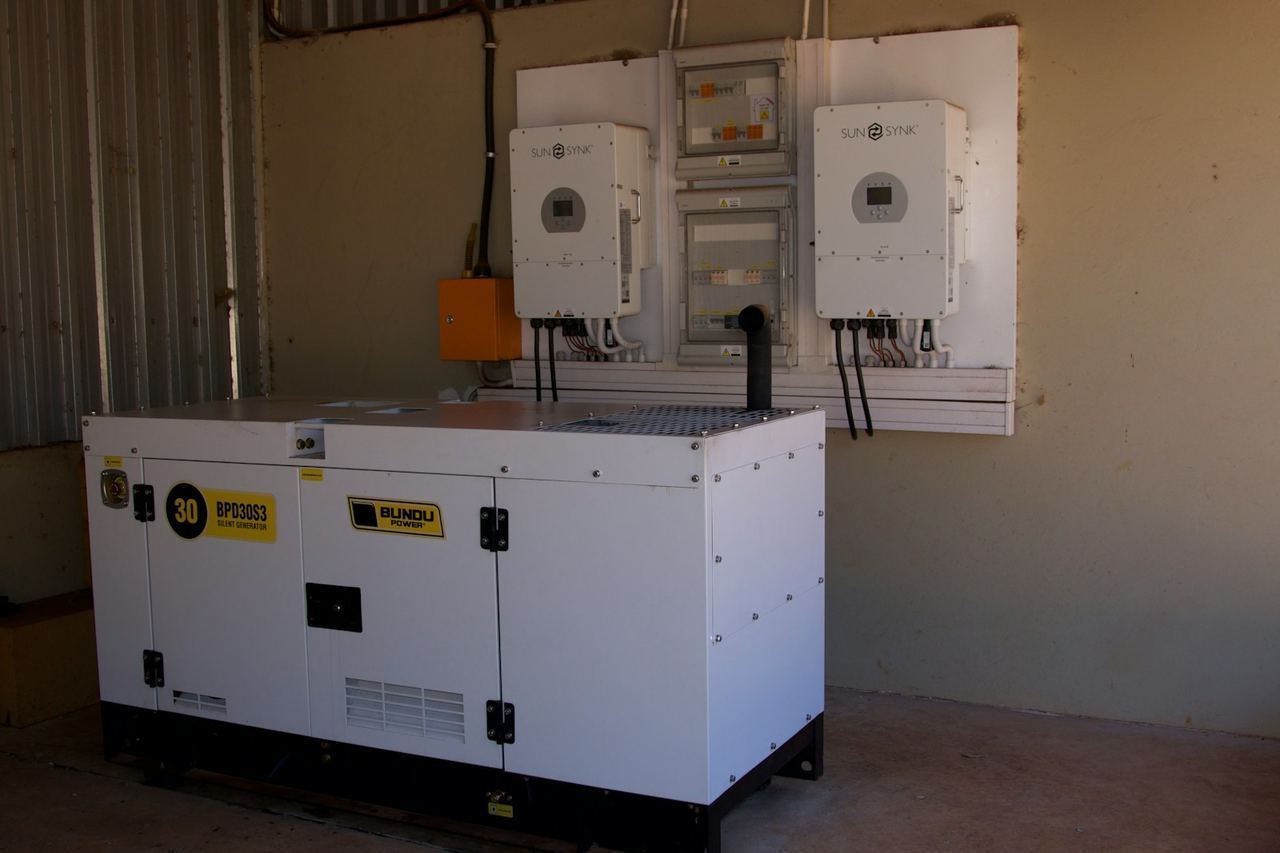
For essential loads only — fridge, lights, wifi, fans, furnace blower, maybe a window AC — a 7–8 kW portable generator with a proper transfer switch covers a typical 3-bedroom Stockton home. Running central AC during an outage requires whole-house standby in the 20–22 kW range because a 4-ton compressor surges to 15,000–18,000 watts at startup, well past every common portable. Fuel choice matters too: gasoline goes stale in 6 months, propane stores indefinitely, and natural gas stays on during a PSPS. Here's the real sizing math for Central Valley homes facing PG&E PSPS shutoffs and summer heat waves.
Why backup power matters in the Central Valley
PG&E PSPS events have become an annual ritual. When fire weather hits the Sierra foothills, the utility de-energizes lines across huge service areas — sometimes for days. Even on the valley floor in Stockton, we get caught in the blackout footprint because our feeders trace back through those same high-risk zones. Layer on summer thunderstorms that drop trees on lines, transformer failures during 105+ heat waves, and an aging distribution grid. Losing power for 8 hours in January is annoying. Losing it for 48 hours in July is a genuine health risk.
- PSPS shutoffs can last 24-72 hours and are pre-announced
- Summer storm outages are unannounced and hit during the worst heat
- Refrigerated food spoils after 4 hours; freezers hold ~48 hours if unopened
- Central AC failure during a heat wave is the #1 reason homeowners pull the trigger on a generator
The three tiers of home backup
There is no single "right" generator setup. Here are the three real-world tiers we see in Stockton and Brentwood homes.
- Tier 1 — Portable + manual transfer switch: 5-8 kW portable gasoline generator wired to a 6-10 circuit manual transfer switch. Covers fridge, lights, fans, wifi, maybe a window AC. Cheapest real option.
- Tier 2 — Portable + panel interlock kit: same portable but a code-approved interlock kit on your main panel. Cleaner integration, lets you pick which breakers run. Needs a licensed electrician and permit.
- Tier 3 — Whole-house standby (Generac, Kohler): 14-26 kW permanently installed with automatic transfer switch. Detects the outage in 10 seconds, fires up, runs everything including central AC. Propane or natural gas. Fully hands-off, install runs $8,000-$18,000 all-in.
The sizing math: essentials, then AC surge
Generator sizing has two numbers: running watts (continuous output) and surge watts (what it delivers for a few seconds when a motor starts). You need both.
Realistic essentials load for a typical 3-bedroom Stockton home: fridge 700W, well pump (if you have one) 2,000W start / 1,000W run, LED lighting 300W, wifi and chargers 50W, TV 200W, microwave 1,500W when in use. Totals roughly 5,000-6,000W running — comfortably within a 7-8 kW portable.
Add central AC. A 4-ton compressor draws around 5,000W running but surges to 15,000-18,000W at startup. Past any portable, straight into whole-house standby — a 20-22 kW Generac is the typical answer. Settle for a window unit (1,500W run, 2,500W surge) and you stay in portable land.
- Fridge: 700W run / 2,100W surge
- Well pump: 1,000W run / 2,000-3,000W surge
- Furnace blower: 600W run / 1,800W surge
- 4-ton central AC: 5,000W run / 15,000-18,000W surge
- Window AC (12,000 BTU): 1,500W run / 2,500W surge
- Microwave: 1,500W run
Fuel choices: what actually works during a PSPS
Fuel type matters more than people think — especially in PSPS country.
- Gasoline — cheap, but California limits home storage to ~10 gallons and gas goes stale in 6 months. Fine for short outages, painful for multi-day PSPS.
- Propane — clean burn, indefinite storage life, runs on a dedicated 250-500 gallon tank. Best all-around choice for whole-house standby.
- Natural gas — no storage hassle and stays on during PSPS (independent of PG&E electric). Most convenient if your home has a gas line sized for it.
- Dual-fuel portables — run on gasoline or propane. Maximum flexibility for a slight power derate on propane.
Permits, transfer switches, and PG&E rules
California code is clear: any generator that connects to your home wiring must do so through an approved transfer switch or interlock — never an extension cord plugged into a wall outlet (the "suicide cord"). It is illegal, backfeeds the utility line and can kill a lineman, and voids your insurance after a fire.
Both Stockton and San Joaquin County require a permit for transfer switch installation, and the work has to be done by a licensed C-10 electrical contractor. PG&E also requires notification for any permanently installed standby generator. Older homes often need a panel upgrade before a whole-house standby will fit. Book a electrical inspection first.
- Manual transfer switch or interlock required by code — no exceptions
- Permit and licensed C-10 electrician required throughout the Central Valley
- PG&E interconnection notification required for permanent standby
- Older 100A panels often need upgrade to 200A before a whole-house generator
Frequently Asked Questions
Is Can Do It Electrical the company that installs the generator?
No — Can Do It Electrical is a referral and job-coordination service based in Stockton. We connect Central Valley homeowners with vetted, independently licensed C-10 electricians who handle the actual hookup, transfer switch wiring, and permitting.
Can a portable generator run my central AC?
Almost never. A 3-4 ton central AC surges to 15,000-18,000 watts at startup, exceeding the surge rating of every common portable. If central AC during outages is non-negotiable, you need whole-house standby in the 20-22 kW range.
How much does a whole-house standby generator cost in Stockton?
Real-world all-in pricing in 2026 runs $8,000 to $18,000 depending on size (14-26 kW), fuel, transfer switch complexity, distance from panel, and whether a panel upgrade is needed. A 20 kW Generac on natural gas typically lands in the $11,000-$14,000 range.
Is natural gas a safe bet for PSPS?
Generally yes. PSPS shuts off the electric grid, not gas. The risk is a major earthquake or wildfire affecting the gas distribution system itself, which is rare.
Do I need a permit for a portable generator I just roll out?
You need a permit for the transfer switch or interlock kit that connects the generator to your home wiring — not the generator itself. Extension cords to individual appliances need no permit but are impractical beyond a fridge and a fan.
How long can a generator run continuously?
Portables typically run 8-12 hours per tank and need a cooldown break every 24 hours. Whole-house standby on natural gas can run for weeks. Propane standby duration depends on tank size: a 500-gallon tank powers a 20 kW unit at half load for ~5-7 days.
Get one plain-English electrical tip a month.
No sales pitches. Just the kind of thing you'd want to know before it becomes a problem. Unsubscribe anytime.
The Can Do It Electrical Team
Written by the Can Do It Electrical team. Can Do It is a Stockton-based electrical referral service — we connect Central Valley homeowners and businesses with licensed, vetted local electricians and write about the electrical patterns we see in real Stockton-area jobs.